Why Your Garden Looks Tired in August, Plus 4 Ways to Refresh It
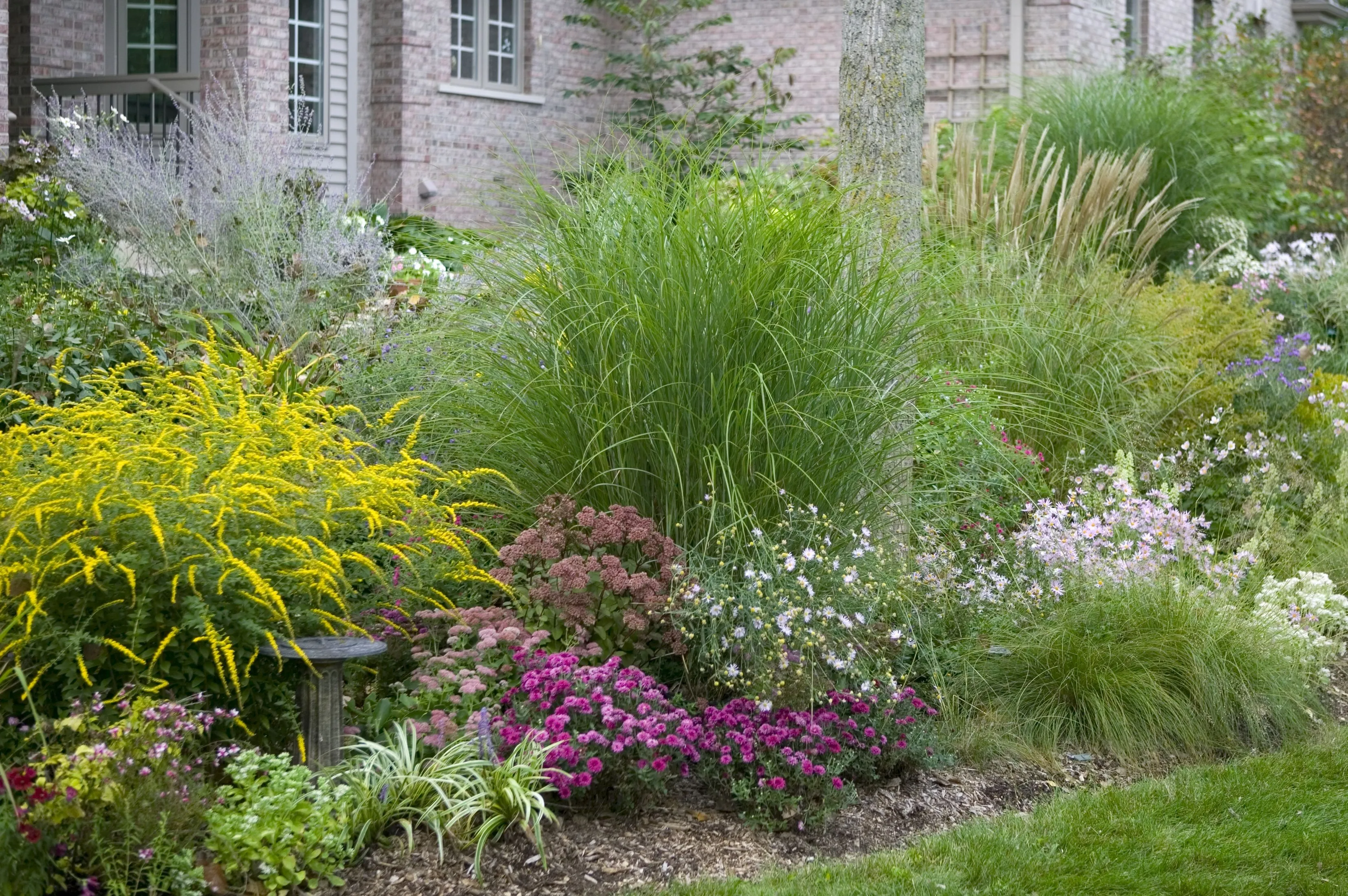
- Deadhead and trim plants to encourage reblooming, and apply organic fertilizer regularly to boost flowering.
- Water annuals and new plants frequently during heat waves with drip irrigation or soaker hoses.
- Add vibrant foliage plants like coleus and heuchera, and tidy overgrown areas to refresh your garden’s appearance.
Hot summer days aren’t just rough on us, they’re also challenging for our gardens. By the time August arrives, your plants are probably looking as worn out by the heat as you feel. There’s not much we can do about the weather conditions, but there’s plenty you can do to perk up your garden and infuse it with some late-summer color.
Causes of Your August Garden Slump
Along with heat and other challenging weather conditions, several other factors contribute to a late summer slump in your garden. One is simply natural bloom cycles. June and July are peak bloom times for popular perennial flowers, such as roses, peonies, and irises. But by August, their colorful petals have all withered away. Even annual flowers in containers or garden beds can look worn out late in the season, slowing down during hot, dry conditions.
Heat or drought stress also can allow plant diseases and pests to take hold, making a bedraggled mess of foliage. As for healthy plants that can take summer weather in stride, they may be overgrown and flopping over at this point in the season.
Related
How to Revive Your August Garden
Help your plants thrive through all these challenges and look their best all season with these fixes.
1. Boost Blooms with Deadheading and Fertilizer
Plants that rebloom or offer a long bloom season can be cued to keep blooming. Among annuals, petunias benefit from regular deadheading, unless they are free-flowering types like the Wave petunia series. Dahlias and zinnias reward gardeners with more blooms the more you harvest.
Deadhead perennials like ornamental salvias, catnip (Nepeta), and yarrow (Achillea) regularly, and when blooming begins to slow, cut back hard now by about two-thirds—which can prompt a second flush of flowers.
Remontant (reblooming) roses benefit from the same treatment. It’s helpful to top-dress with some compost to help them through that process.
However, certain annuals are single-stem growers, like many sunflowers (Helianthus annuus), larkspur (Consolida), and stock (Matthiola). Plant these in succession for the strongest display or seek out branching varieties.
Fertilizer can encourage continued growth and blooming for fast-growing annuals, especially in containers. A liquid organic fertilizer like seaweed, kelp, or fish emulsion provides a quick boost. Apply it as often as every two weeks in summer.
2. Keep Up with Watering
While established plants typically benefit from weekly long, slow watering, for annuals and plants installed in the last two years, a dry spell of more than a few days could be deadly. They may need watering two or three times weekly, and possibly once or twice daily during heat waves, to maintain their growth.
Drip irrigation and soaker hoses with timers can make the process seamless and are far more efficient than sprinklers or hand watering.
Planning a vacation? Slow-watering tools like ollas and plant nannies can buy you a few days, but for longer trips, ask a neighbor or friend to water for you.
3. Clean Up Edges
When plants are happy, they show it in growth, sprawling into paths and shading or covering plants below. A trim now and then will help keep your August garden looking tidy instead of overgrown. Start by targeting edges and hardscape borders. These two simple tasks have an immediate impact, making the garden look fresh and new. Remove overgrown branches, tie up vines, cut back, and remove dead or diseased foliage.
4. Add Plants
Once you’ve cleaned up spent annuals and unsightly or excess foliage, it’s easier to see where you might need some new color. Some of the best bangs for your planting buck come from foliage color, which is longer lasting than flowers.
For sun or shade, annual coleus can’t be beat for the variety of color, size, and markings from lime to red and near black. Heuchera fills that gap for perennial plants and ranges from dwarfs to 2-foot-wide plants in nearly every color, many with lovely flowers too.
Other foliage winners include tropical annuals, cannas, bananas, caladium, Colocasia, and Alocasia. Ornamental perennial grasses will be primed to put on their annual show with tall plumes.
Coneflowers (Echinacea), coreopsis, and sneezeweed (Helenium) are some long-flowering perennials that will bloom through August. If you plant them now, they may not bloom much this year, but next summer they’ll be providing your garden with a much-needed burst of color.
- <span>Gardening</span>
- <span>Caring for Your Yard</span>
- <span>Garden Care</span>